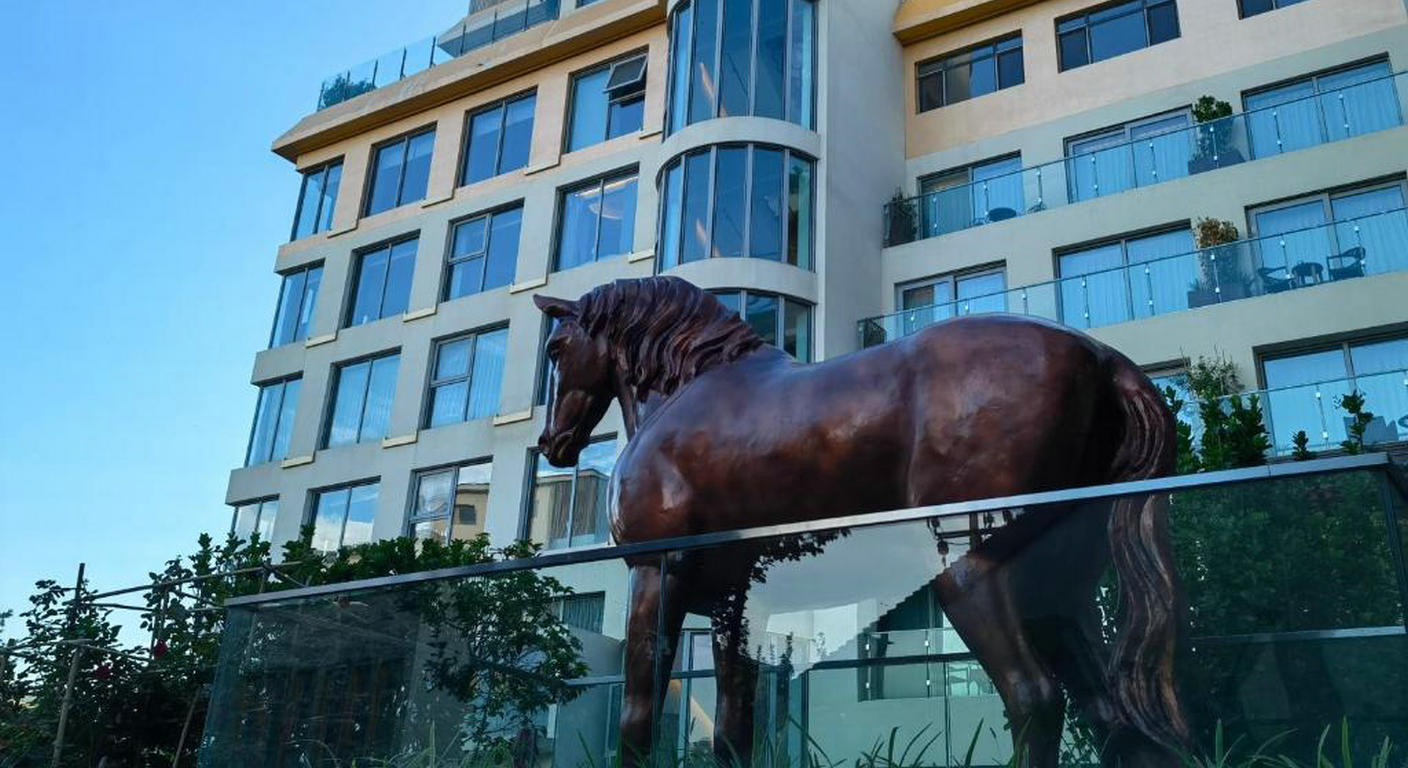
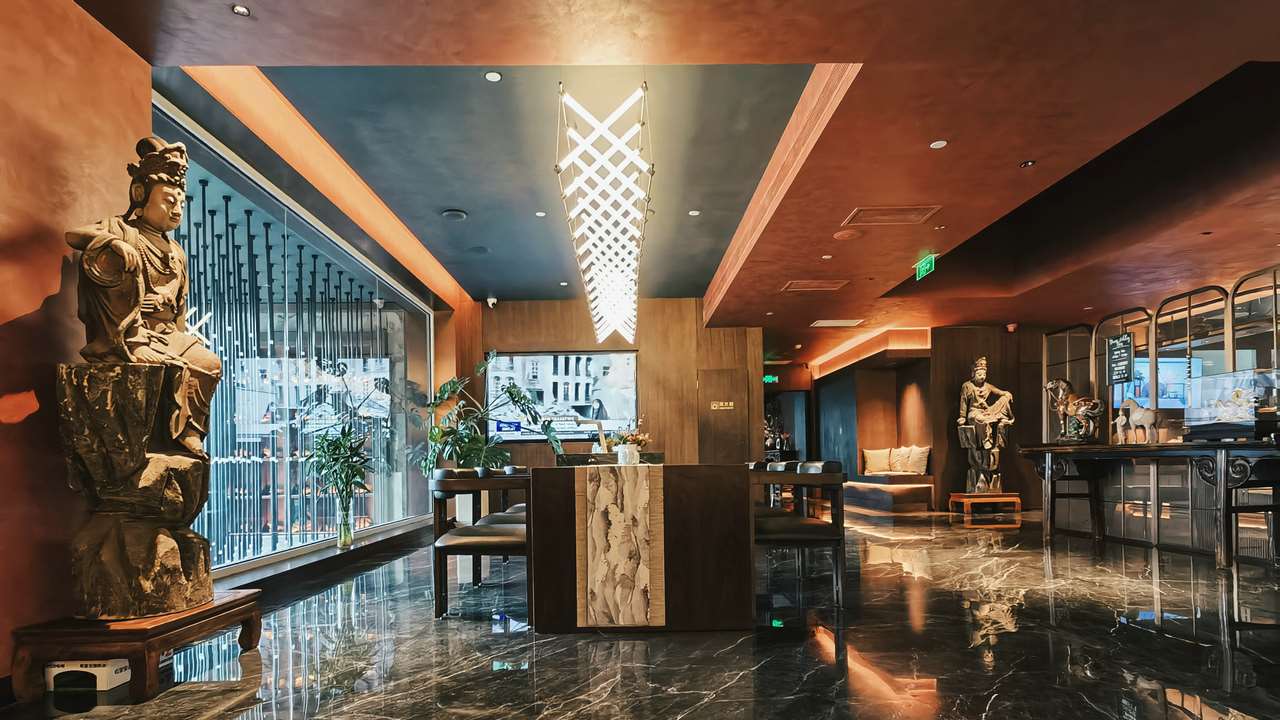
Amidst the labyrinthine alleys of Beijing’s Dongcheng District, West Yangwei Hutong may not seem immediately remarkable. Yet, if you follow the deep shadows cast by the ancient scholar trees to No. A1 and step through the doors of The Purple Horse Hotel (Beijing Wangfujing Zilong Garden Hotel), you are stepping into a profound chapter of modern Chinese history. It was here that Aisin-Gioro Zaitao, a legendary prince of the late Qing Dynasty, completed the most remarkable transformation of his life.
The "Cavalry Prince" Falling from the Clouds
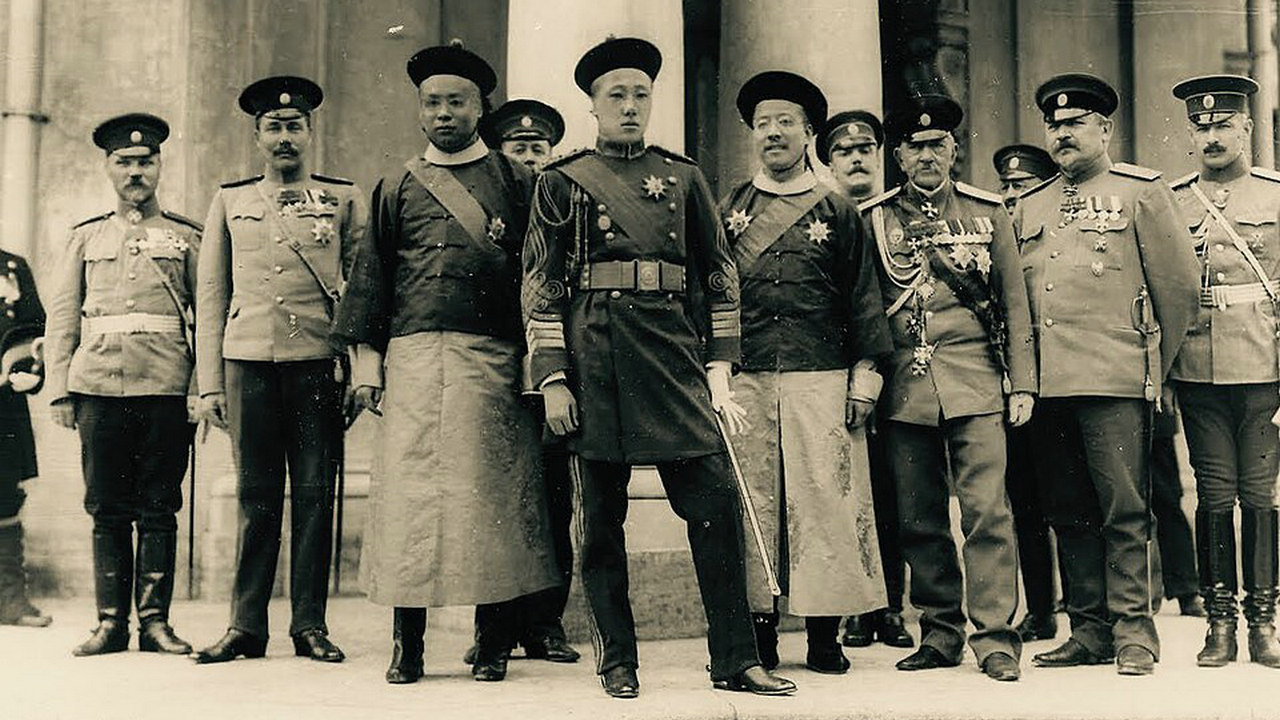
A century ago, Zaitao was the embodiment of imperial grace. As the younger brother of Emperor Guangxu and the uncle of the last emperor, Puyi, he was perhaps the most forward-thinking "technical talent" within the royal family. Having studied at the Saumur Cavalry School in France, he mastered modern tactics on the Gallic plains. In his early twenties, as the Chief of the General Staff, he sought to breathe new life into an ancient empire by modernizing its army with Western military theory. He was a man of the elite, a man of power, and above all, a man whose life was inextricably bound to the horse.
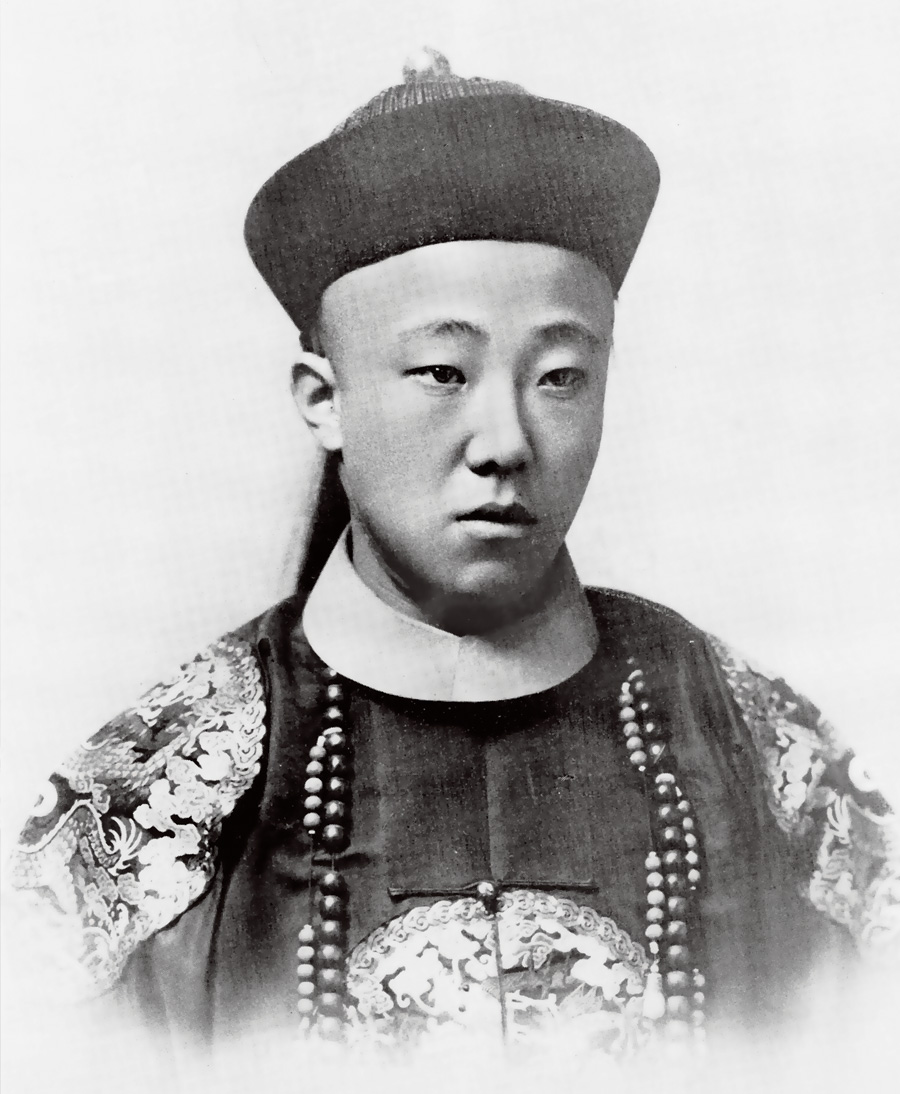
However, the gears of history turned ruthlessly. By 1925, with the Qing Dynasty fading into the mists of the past, the once-resplendent Tao Beile Mansion near Shichahai was leased to the Roman Curia to sustain the family’s livelihood. Zaitao and his family became like autumn leaves caught in a historical gale, eventually settling in the nearby Shanlao Hutong.
Shanlao Hutong: A Vanishing Transition
At No. 14 Shanlao Hutong, Zaitao spent years of relative quiet. Though the family’s glory had dimmed, life in the traditional courtyard remained dignified. Today, if you go searching for that residence, you will find instead the bustling corridors of the Beijing Hospital of Traditional Chinese Medicine (the renowned Kuanjie Hospital). In the city's post-1949 expansion, the former aristocratic estate was absorbed by the hospital’s modern wards. This shift serves as a poignant metaphor for Zaitao’s generation—old imperial traces reshaped into the public service of a new era.
Integrity in a Stable: The Stand at West Yangwei
As his resources dwindled, Zaitao faced a defining choice. During the Japanese occupation, he steadfastly refused the lucrative positions offered by the puppet government. To protect his national integrity, the former prince chose poverty. In the bitter dawns of winter, he could be seen at the "Ghost Market" outside Deshengmen, selling old clothes and trinkets to make ends meet.
Economic hardship eventually pushed him to West Yangwei Hutong. On the very site where The Purple Horse Hotel stands today, Zaitao moved into a humble dwelling converted from a horse stable. To the Manchu nobility of old Beijing, a prince living in a stable was a subject of endless gossip. But to Zaitao, a stable was a far more honorable home than a palace built on collaboration. His grandson, Mr. Jin Yulan, later recalled that this very courtyard held the family’s final stand during those turbulent years.
The Metamorphosis: From Prince to Expert
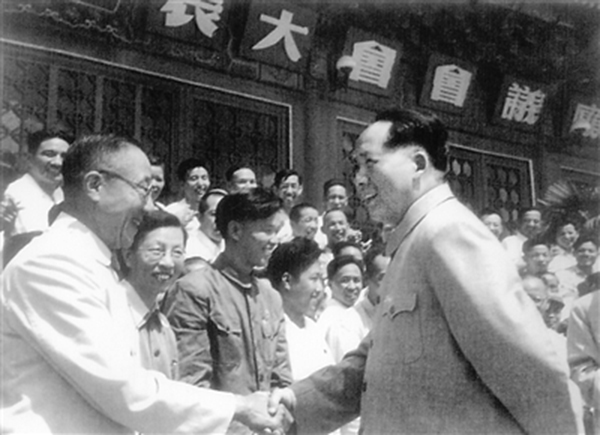
West Yangwei Hutong witnessed the most difficult, yet most composed, years of Zaitao’s life. On an afternoon in 1950, an official appointment signed by Chairman Mao Zedong was delivered to this modest home. Zaitao was officially named an advisor to the Horse Administration Bureau of the PLA Artillery Command.
In that moment, West Yangwei Hutong became more than just a refuge; it became the bridge between his past and the future of a new nation. He shed his traditional robes for a professional uniform, transforming from the "Last Prince" into New China's "Horse Administration Expert," dedicating his lifelong knowledge to the logistical support of the nation’s cavalry.
Today: The Lingering Legend of the Hutong
Today, West Yangwei Hutong still breathes with the vibrant, authentic atmosphere of old Beijing. Walking into The Purple Horse Hotel, one can still feel a sense of timeless composure. For Zaitao, this was the starting line of his life’s second act; for the modern traveler, it is a place where history finds its echo.
As you wander the bustling streets of Kuanjie or visit the nearby hospital, look westward toward the quiet depths of West Yangwei. There, the story of a prince who guarded his integrity through the storms of history lives on—woven into the legacy of the alley and the enduring spirit of The Purple Horse.